
Home > Blog > Microdosing > Why functional mushrooms are becoming popular for focus and wellbeing
Why functional mushrooms are becoming popular for focus and wellbeing
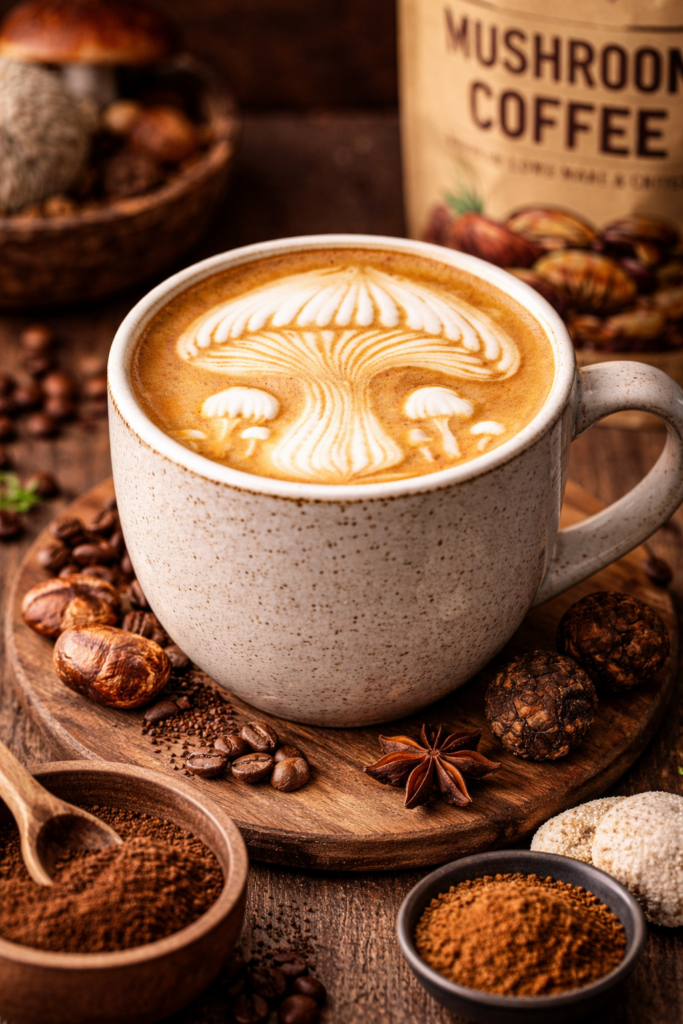
Interest in functional mushrooms has grown quickly in recent years. Once mainly associated with traditional Eastern practices, they’re now part of modern conversations around focus, resilience and long-term wellbeing. These mushrooms are often discussed in the context of cognitive nutrition, which looks at how natural compounds in food and supplements can support brain function and mental performance. The growing popularity of functional mushrooms is backed not just by trends but by increasing research into their natural compounds. This explains why some mushrooms are described as “functional” instead of simply culinary.
The blog in 1 minute
Functional mushrooms are gaining popularity as part of cognitive nutrition, driven by growing interest in natural ways to support focus, resilience, and overall wellbeing. They are defined by bioactive compounds such as beta-glucans, polysaccharides, and triterpenes, which are linked to immune balance, brain function, and reduced oxidative stress. Traditional varieties like Lion’s Mane, Reishi, Cordyceps, and Chaga are now being studied for potential benefits ranging from cognitive support to energy metabolism and stress balance. Their integration into everyday products like mushroom coffee reflects a broader shift toward convenient, research-informed wellness solutions.
What makes a mushroom functional?
A mushroom is considered functional when it contains bioactive compounds that interact with biological systems in the body. Unlike common edible mushrooms, functional varieties are studied for their impact on health and wellbeing. These compounds, including beta-glucans, polysaccharides and triterpenes, are often linked to immune balance, brain function and overall resilience. Functional mushrooms are not psychedelic and do not produce hallucinogenic effects; instead, they are valued for their nutritional and physiological properties.
From traditional use to modern interest
Many functional mushrooms, such as Lion’s Mane, Reishi, Cordyceps and Chaga, have long histories of use in traditional Chinese and Japanese herbal practices. They were often associated with vitality and balance. Today, these mushrooms are also the subject of modern research, which examines how their natural compounds interact with different biological systems. Research suggests that mushrooms like Lion’s Mane, Reishi and Cordyceps may have relevance for cognitive health, though ongoing studies are still exploring how these effects work over time.
Bioactive compounds inside mushrooms
The bioactive compounds in functional mushrooms are what make them so valuable. These include beta-glucans, which help maintain immune balance; polysaccharides, which support resilience by reducing oxidative stress; and triterpenes, known for their anti-inflammatory properties. Many functional mushrooms also contain antioxidants, which help protect cells from oxidative stress, contributing to long-term health and overall resilience.
Functional mushrooms and brain health
Cognitive nutrition, a field focused on how nutrients and natural compounds affect focus, memory and mental clarity, has become an important area of study in recent years. Lion’s Mane is particularly well-known in this field for its potential cognitive benefits. It contains compounds that may interact with pathways related to nerve growth and neural communication. Early human studies have shown that Lion’s Mane could support cognitive function, particularly in people with mild cognitive impairment, marking it as a promising area of study for brain maintenance over time.
Energy, resilience and stress balance
Different functional mushrooms offer distinct benefits. For instance, Cordyceps is often mentioned for its role in boosting energy metabolism, which helps improve physical endurance. Reishi is praised for its calming properties and immune-boosting abilities, while Chaga is known for its high antioxidant content, helping to combat oxidative stress and support resilience. Each of these mushrooms brings unique compounds to the table, often complementing each other rather than being interchangeable.
The rise of mushroom coffee and daily use
As functional mushrooms become more mainstream, they’ve found their way into everyday products. Mushroom coffee is a prime example, combining traditional coffee with extracts from functional mushrooms. This offers a smoother and longer-lasting energy boost, making it a great alternative for those who want sustained focus without the jitters typically associated with regular coffee. This growing trend shows how people are integrating functional mushrooms into their daily routines, making it easier to include their benefits in everyday life.
Different types of functional mushrooms and their benefits
Functional mushrooms come in various forms, each known for different bioactive compounds that offer unique benefits:
- Lion’s Mane: known for its cognitive benefits, Lion’s Mane is linked to improved memory and mental clarity, supporting overall brain health.
- Cordyceps: ideal for enhancing energy and physical performance, Cordyceps supports energy metabolism and is popular among athletes.
- Reishi: valued for its calming properties, Reishi helps promote relaxation and balance, often used for stress management.
- Chaga: rich in antioxidants, Chaga supports resilience against oxidative stress and promotes long-term health.
A more structured way to cultivate mushrooms
The rise of grow kits represents a shift toward structured cultivation, supporting the most vulnerable stage of growth with pre-colonised mycelium. These kits help maintain consistency in growth, allowing users to focus on creating the right conditions rather than worrying about contamination or inconsistent mycelial growth.
FAQ
Functional mushrooms are usually associated with gradual support rather than immediate stimulation. Studies often examine effects over several weeks.⁴
No. Functional mushrooms do not contain hallucinogenic compounds and are discussed for different nutritional and biological properties.¹
Yes. Different species contain different compounds and are often discussed for complementary roles.¹
Extraction methods influence the concentration and availability of active compounds in mushroom supplements.¹
Sources
- https://doi.org/10.1615/IntJMedMushrooms.v16.i1.10
- https://www.sciencedirect.com/science/article/pii/S0149763424000162
- https://www.sciencedirect.com/science/article/pii/S2475299123160975
- https://doi.org/10.1002/ptr.2634
- https://doi.org/10.1016/j.phytochem.2008.06.027
- https://doi.org/10.1016/S1387-2656(07)12018-6
- https://doi.org/10.1007/s11094-006-0187-1
- https://www.grandviewresearch.com/industry-analysis/medicinal-mushroom-market

About Jim
I am a founder with three+ years of experience in the smartshop and functional mushrooms space. Through Primal Focus I help people explore natural products in a safe, transparent and accessible way. My work combines personal experience with up to date knowledge from science and community insights to make information clear, reliable and easy to understand.
Expertise Psychedelics, microdosing, macrodosing, functional mushrooms and practical experience in consumer education and product safety.