
Início > Blogue > Microdosing > San Pedro: como este cato afecta o cérebro
San Pedro: como este cato afecta o cérebro
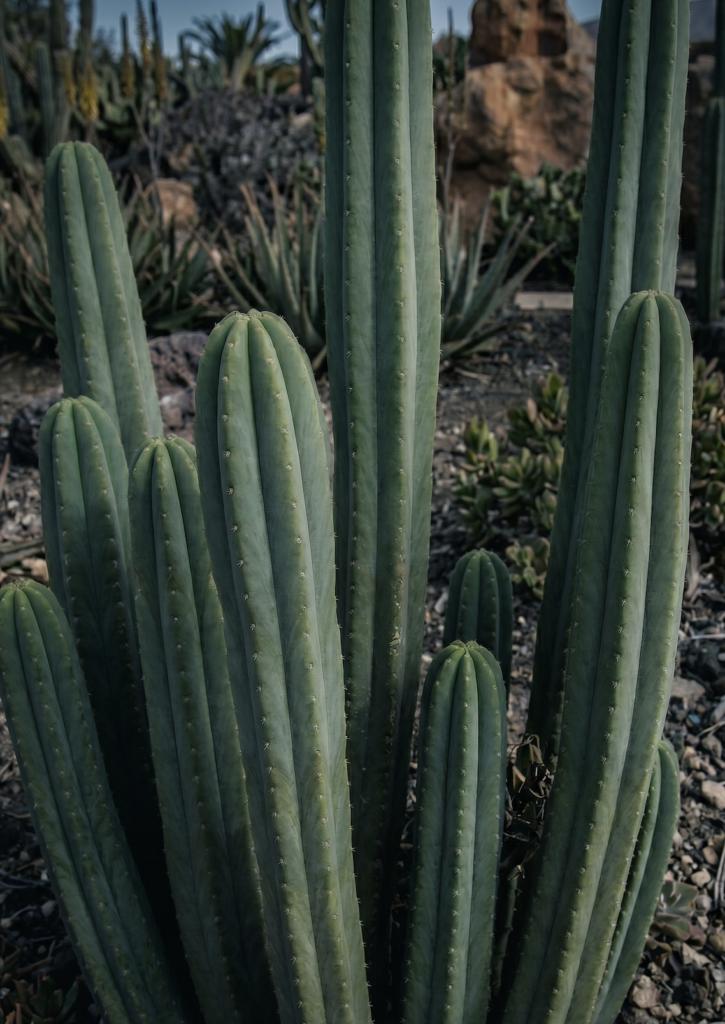
San Pedro is a cactus that grows in the Andes mountains in South America. Its scientific name is Echinopsis pachanoi.¹ People in this region have known and used this cactus for a very long time. Today, many people are also interested in São Pedro because of the natural substances inside the plant. The main substance in San Pedro is called mescaline.³
O blogue em 1 minuto
San Pedro is a cactus from the Andes mountains whose main substance is mescaline, an amount that varies based on the plant’s growing conditions. Mescaline affects the brain by interacting with the system connected to serotonin, altering how brain cells send messages to regulate mood and perception. Researchers study mescaline, often comparing it to other substances that affect the same brain system, to better understand brain communication and plant chemistry under controlled conditions.São Pedro como fonte natural de mescalina
San Pedro naturally contains mescaline.³ Mescaline is a substance that some plants produce on their own. Plants often create these substances to protect themselves in nature. In the San Pedro cactus, mescaline is the substance that researchers study the most. The amount of mescaline in a cactus can vary depending on factors like the plant’s age, climate, and growing conditions. Mescaline is not the same as substances such as psilocybin. They belong to different chemical groups, which is important to understand when studying how these substances affect the brain.
How mescaline interacts with the brain
The human brain uses many small chemical signals to send messages between brain cells. Mescaline interacts with one of the systems that helps control these signals. This system is connected to serotonin, a natural chemical in the brain that helps regulate mood, perception, and thinking.⁵ When mescaline interacts with this system, it can change how brain cells send messages to each other. Scientists study this process to better understand how the brain works. Most studies focus on mescaline itself, not on the whole cactus.
Why scientists study mescaline
Mescaline belongs to a group of chemicals that can influence certain systems in the brain.² Because of this, researchers study it to learn more about brain communication. In many studies, scientists compare mescaline with other substances that affect the same brain system. These comparisons help them see what is similar and what is different. By studying these differences, researchers learn more about how the brain processes signals and information. This research does not encourage uncontrolled use of mescaline; it focuses on what happens under controlled conditions.
San Pedro compared with other mescaline cacti
San Pedro is often compared with Peyote, another cactus that also contains mescaline.¹ While both cacti contain the same psychoactive substance, they look very different. San Pedro is a tall cactus with long green columns and ribs, whereas Peyote is small, round, and grows close to the ground. Despite these differences, both contain mescaline and are used for similar purposes.
If you’re interested in mescaline-related products, San Pedro offers an option to experience this substance in a more natural form, while café com cogumelos provides an alternative, smoother experience that also affects the brain.
Legal differences between countries
The laws about mescaline and mescaline-containing plants are different in many countries.⁷ In some places, mescaline itself is regulated, while the cactus may fall under different rules depending on how it is classified. Because of these legal differences, discussions about San Pedro in science usually focus on the plant itself and its chemical structure, rather than its recreational use.
Why San Pedro is still studied today
San Pedro is interesting to researchers because it connects traditional plant knowledge with modern science.² Scientists continue to study how the brain works and how natural substances interact with it. Plants such as San Pedro are sometimes part of this research. By studying the cactus, its natural compounds, and how they interact with the brain, researchers can learn more about plant chemistry and brain function.
FAQ
San Pedro is scientifically known as <em>Echinopsis pachanoi</em>. It is a cactus that grows in the Andes mountains of South America.¹
Yes. San Pedro naturally contains mescaline. The amount can vary depending on the cactus and where it grows.³
Fontes
- https://powo.science.kew.org/taxon/urn:lsid:ipni.org:names:132079-1
- https://doi.org/10.1124/pr.115.011478
- https://pubchem.ncbi.nlm.nih.gov/compound/Mescaline
- https://www.euda.europa.eu/publications/drug-profiles/mescaline_en
- https://www.nature.com/articles/nrn2884
- https://journals.plos.org/plosone/article?id=10.1371/journal.pone.0009019
- https://www.euda.europa.eu/publications/drug-profiles/mescaline_en
- https://powo.science.kew.org/taxon/urn:lsid:ipni.org:names:132175-2

Sobre o Jim
Sou um fundador com mais de três anos de experiência na área das smartshops e dos cogumelos funcionais. Através da Primal Focus, ajudo as pessoas a explorar produtos naturais de uma forma segura, transparente e acessível. O meu trabalho combina a experiência pessoal com conhecimentos actualizados da ciência e da comunidade para tornar a informação clara, fiável e fácil de compreender.
Especialização Psicadélicos, microdosagem, macrodosagem, cogumelos funcionais e experiência prática na educação dos consumidores e na segurança dos produtos.